

As part of the Climate-Smart Education Systems Initiative, discover how Somalia is addressing the impacts of climate change and building resilience through collaborative planning.
In Somalia, recurring droughts, floods, extreme temperatures and displacement are disrupting learning, damaging schools, and forcing children out of the classroom. Since the humanitarian crisis began in 2022, more than 1.7 million children have lost access to education, while climate change continues to exacerbate the barriers children face in accessing quality education.
Responding to these challenges requires close collaboration across sectors. IIEP’s Mathilde Treguier spoke with Abdallah Kulmiye, from the Ministry of Education, Culture and Higher Education (MoECHE), and Abdirizak Mursal, from the Ministry of Environment and Climate Change (MoECC), about why and how their ministries are working together to build a more climate-resilient education system in Somalia.
When we talk about climate change, many people think first about the environment. Why is climate change also an education issue in Somalia?
Abdallah Kulmiye (MoECHE): Climate change is often perceived primarily as an environmental issue, but in Somalia it is also a major education challenge. Climate change is real and is already having a significant impact on Somalia’s education system. Recurring droughts, floods, extreme temperatures, and displacement disrupt children’s access to learning, damage school infrastructure, increase absenteeism, and place additional pressure on families and communities. Responding to these challenges requires strong collaboration across sectors. The education sector cannot address climate risks alone. Effective solutions depend on coordinated action among the ministries responsible for education, environment, disaster management, water, health, and local authorities to build a more resilient and climate-smart education system.

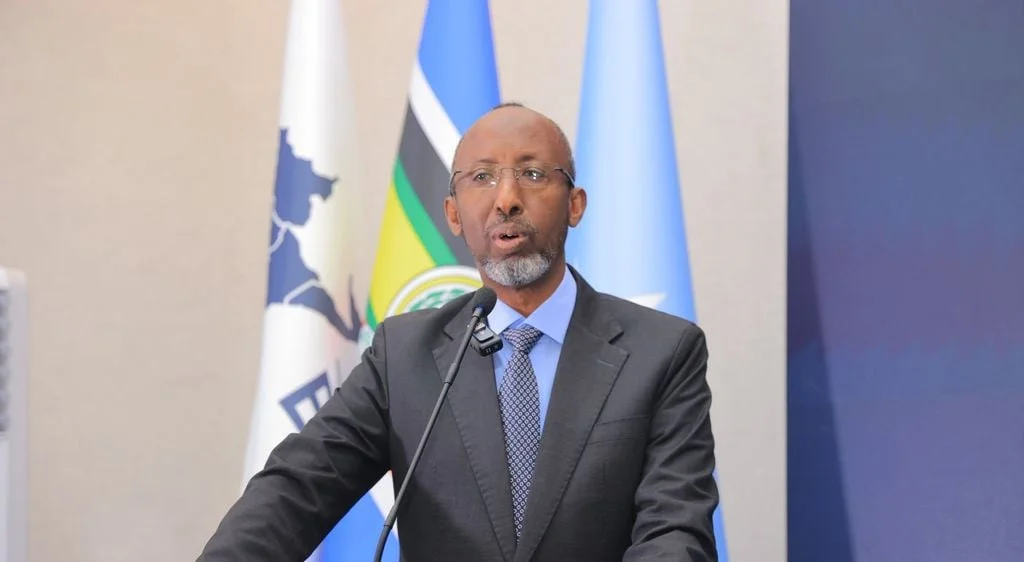
Abdallah Kulmiye, from the Ministry of Education, Culture and Higher Education, Somalia.
IIEP-UNESCO
How can schools contribute to building climate-resilient communities in Somalia?
Abdallah Kulmiye (MoECHE): Schools are more than just buildings; they are vital community institutions. A climate-resilient school can serve as a hub for preparedness, awareness, essential services, and recovery during climate-related crises.
Schools can provide safe water and sanitation facilities, support emergency preparedness and response, and continue delivering education during disruptions. They can also integrate climate change education into the curriculum and equip teachers with the knowledge and skills to promote climate resilience, disaster risk reduction, and sustainable practices among students and the wider community.
Why is it important for the environment sector to work closely with the education sector on climate adaptation?
Abdirizak Mursal (MoECC): Climate adaptation requires coordinated action across all sectors, and no single ministry can address the impacts of climate change alone. In Somalia, the Ministry of Environment and Climate Change provides climate science, vulnerability assessments, and adaptation expertise, policy and planning development, while the Ministry of Education ensures that this knowledge reaches schools, teachers, and communities. By working together, both ministries can strengthen climate awareness, build resilience among children and young people, and ensure that education becomes a key investment area for adapting to climate change and protecting future generations.

Abdirizak Mursal, from the Ministry of Environment and Climate Change, Somalia.
IIEP-UNESCO
What does this collaboration mean for Somalia, and how will this strategy help ensure that schools, learners, and communities are better prepared to face climate change?
Abdirizak Mursal (MoECC): This collaboration marks an important milestone in strengthening Somalia’s resilience to climate change by integrating adaptation into the education sector. The strategy will help schools move beyond responding to climate-related emergencies toward anticipating risks, protecting learning, and building long-term resilience through climate-informed planning and investment. It also aligns the education sector with Somalia’s National Adaptation Plan (NAP) and broader climate commitments, ensuring that schools, learners, and communities are better equipped with the knowledge, skills, and systems needed to adapt to increasing climate risks while promoting sustainable development.
Abdallah Kulmiye (MoECHE): Ultimately, investing in climate-resilient education is investing in Somalia’s future. By helping children continue learning despite climate shocks and by equipping young people with the knowledge and skills to adapt, the strategy will contribute to building more resilient communities across the country.
About the initiative
This collaboration is part of the Climate-Smart Education Systems Initiative (CSESI), funded by the Global Partnership for Education and implemented by UNESCO, the UNESCO International Institute for Educational Planning (IIEP), and Save the Children.
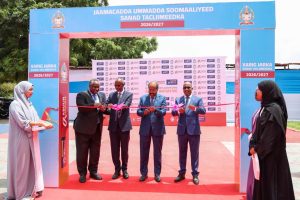
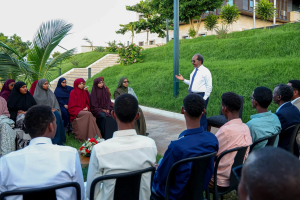
In July 2026, IIEP-UNESCO brought together representatives from the MoECHE, the MoECC, the Somali Disaster Management Agency (SoDMA), UNICEF, and Save the Children for a national workshop to support the development of Somalia’s climate change adaptation strategy for the education sector.
During the workshop, participants identified climate risks, assessed existing capacities, and defined priority adaptation and environmental sustainability measures to help strengthen the resilience of the country’s education system.

IIEP-UNESCO